
Vignette Hungary costs & purchase points
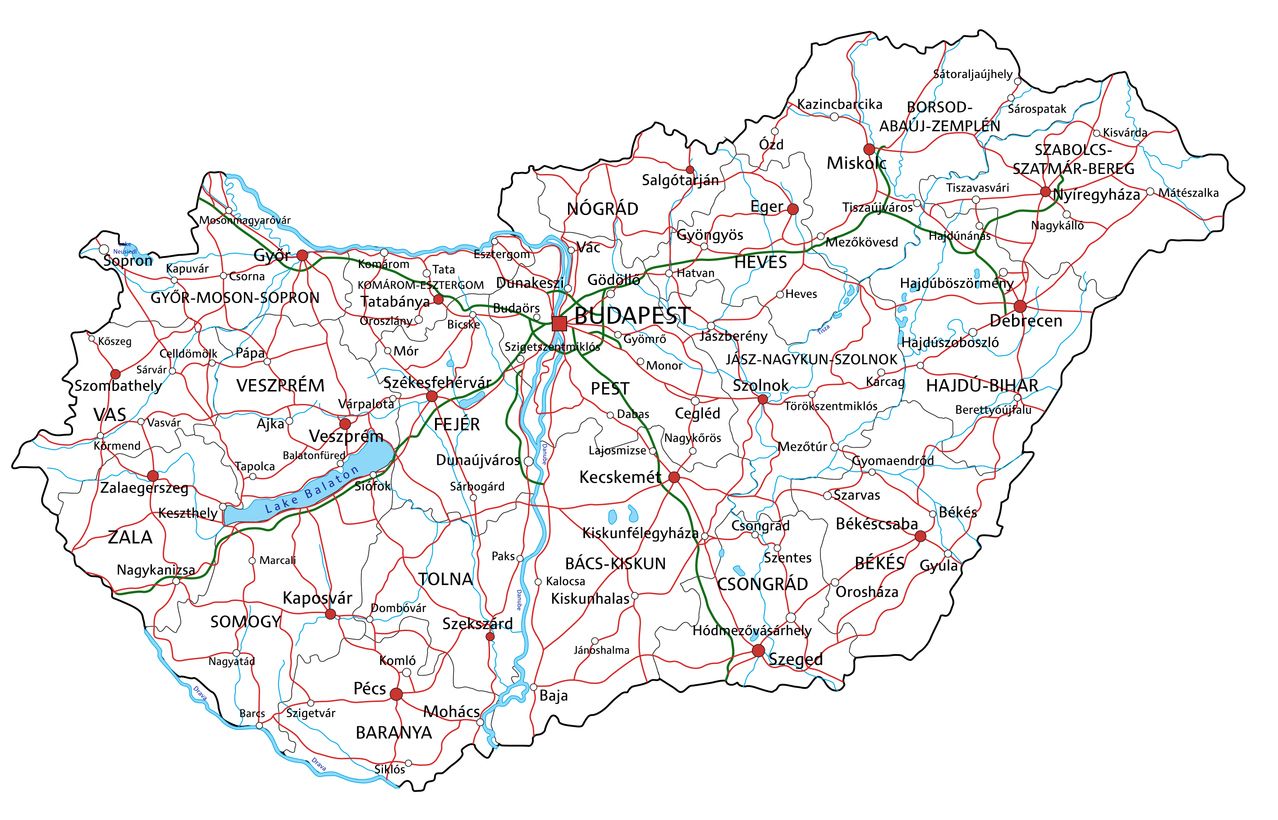
Hungary E-Vignette & Driving Guide for Drivers
Neutral overview for visitors using Hungarian motorways and expressways (“M” roads). Keep your purchase receipt/confirmation with you.
What Is the Hungarian E-Vignette?
Hungary uses a time-based electronic vignette (e-vignette) for most vehicles up to 3.5 t on motorways and expressways. Cameras check number plates; enforcement is largely automatic. Vehicles over 3.5 t use a separate distance-based toll system.
Who Needs a Vignette? Vehicle Categories
| Category | Typical vehicles | Vignette needed? | Notes |
|---|---|---|---|
| D1 | Passenger cars ≤ 3.5 t, up to 7 seats | Yes | Main category for standard cars on “M” roads. |
| D1M | Motorcycles | Yes | Motorbike-specific tariff. |
| D2 | Vans/light vehicles ≤ 3.5 t with >7 seats or larger body | Yes | Used where a vehicle doesn’t qualify as D1. |
| U | Trailers | Sometimes | Separate U vignette typically required when the towing vehicle is in D2 or B2. For many standard D1 cars, a separate trailer vignette is not required. |
| B2 | Buses | Yes | Bus category for eligible routes. |
| HU-GO | Vehicles > 3.5 t (e.g., trucks; some heavy motorhomes) | Not e-vignette | Distance-based tolling via the HU-GO system instead of time-based vignette. |
Vignette Types & Validity
- 1-day: calendar-day product for short transits.
- 10-day: popular for holidays and weekend trips.
- Monthly (30 days): rolling 30-day validity from chosen start date.
- Annual (national): valid for the calendar year (often until Jan 31 of the following year).
- Annual County (regional): valid within selected county/ies; buy multiple counties if needed.
Activation usually starts immediately or from a chosen future date; validity ends at 23:59 on the last valid day.
Where Is a Vignette Required?
On most Hungarian motorways and expressways (“M” roads). Local signage indicates toll obligation. Plan your route and product (national vs. county) accordingly.
Fines & Penalties
- No valid vignette on toll roads: a penalty fee applies. Paying within the specified deadline is usually cheaper; missing the deadline increases the fee.
- Wrong category / wrong plate data: may be treated as invalid use and can lead to a surcharge.
- Trailers: ensure you have a U category if your towing vehicle category requires it.
Speed Limits
| Road type | Cars & Motorcycles (≤ 3.5 t) |
|---|---|
| Built-up areas | 50 km/h |
| Outside built-up areas | 90 km/h |
| Expressways | 110 km/h |
| Motorways | 130 km/h |
| Road type | With Trailer / Certain Heavier Combos |
|---|---|
| Built-up areas | 50 km/h |
| Outside built-up areas | 70 km/h |
| Expressways | 70–80 km/h (per signage/vehicle) |
| Motorways | 80 km/h (typical for trailers) |
Always follow posted signage. Local rules may set lower limits for specific vehicle types or stretches.
Motorcycles & Caravans/Trailers
- Motorcycles: need an e-vignette (category D1M).
- Caravans/Trailers: check if a separate U vignette is required (commonly when the towing vehicle is D2 or B2). Standard passenger cars in D1 often do not need a separate trailer vignette.
- Motorhomes: ≤ 3.5 t use e-vignette (D1 or D2 depending on seats/body). > 3.5 t use HU-GO distance-based tolling.
Driving Rules & Equipment
- Alcohol: effectively zero-tolerance. Do not drink and drive.
- Safety gear: warning triangle and high-visibility vest recommended/required in case of breakdown.
- Lights: use as indicated by local rules and conditions; many drivers use dipped headlights during the day for visibility.
- Winter: carry appropriate equipment; in adverse weather, authorities may impose restrictions.
Emergency Numbers
- European emergency: 112
- Police: 107 (112 also works)
- Ambulance: 104
- Fire brigade: 105
Quick Tips
- Buy the correct e-vignette before entering toll roads; choose the right start date.
- Double-check licence plate, country code, vehicle category, and validity period at purchase.
- If you mainly drive within one region, consider an annual county vignette; for cross-country trips, choose national.
- When towing, confirm if a U trailer vignette is needed based on your towing vehicle category.
- Keep documents handy: registration, insurance, driving licence, and vignette confirmation.