
Vignette Validity Timing Across Different European Countries
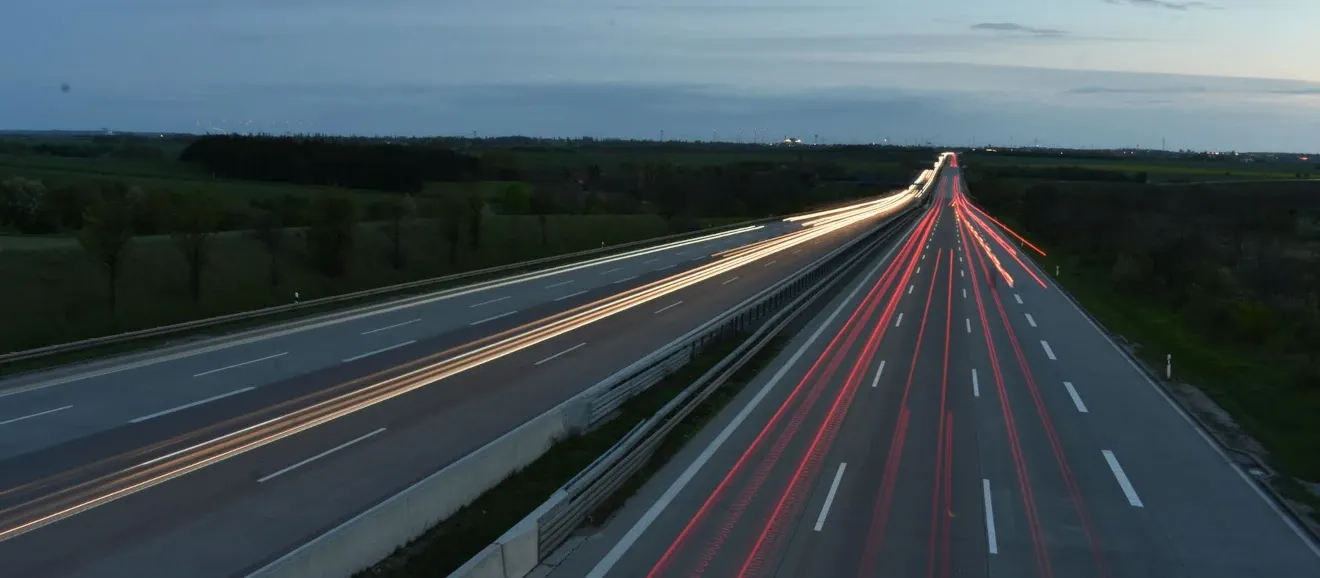
A clear explanation of how vignette validity timing works across Europe. Learn when vignette validity starts and ends by country, why calendar time matters more than driving time, and how timing mistakes lead to fines.
The vignette system seems simple. Almost deceptively so. You pay for it, you drive, you forget about it.
Until you understand that "validity" is a very different concept in different countries, and that not adhering to the time window is one of the most frequent (and costly) errors drivers make in Europe.
With this article, we are not going to provide a price list that covers the different European vignette systems; we're more concerned with timing logic.
We're going to look at things like when the timing for a vignette starts, when the validity ends, and how easy it is to understand.
All the information below applies to passenger cars and European roads.
Validity Concerns Calendar Time, Not Driving Time
Vignette systems base validity on calendar time, not how long you drove. That means if it is ten days, you are not getting ten total days of driving. Rather, the vignette is valid for the next ten days. That is a substantial difference.
In most European countries:
- Validity begins immediately or on a selected date
- Validity expires at 23:59 on the last day
- Partial days still count as full days
That is why a "10-day vignette" purchased late at night may feel like it expired a day earlier.
Country-by-Country Vignette Validity
Austria
Austria has one of the most flexible vignette systems in Europe. Their validity periods cover one day, ten days, two months, and one year.
The one-day vignette is valid until the end of the calendar day, not for 24 hours. Buy it at 6 pm, it still expires at 23:59.
The annual vignette is valid from 1 December of the previous year through 31 January of the following year for a total of 14 months of potential validity.
Switzerland
Switzerland is an outlier in the vignette system. They only offer the option of an annual vignette. No daily, weekly, or monthly options exist.
The validity period:
- From 1 December (previous year)
- Until 31 January (following year)
That means the 2025 vignette is actually valid for 14 months. You'll need it to access these roads even once.
Czech Republic
The Czech Republic uses a fully digital vignette system. Czech validity options include one day, ten days, thirty days, and a year.
Validity options:
- Immediately after purchase
- From a future date you select
This flexibility makes it popular with planners.
Slovakia
Slovakia mirrors the Czech system closely. They have similar one-day, ten-day, thirty-day, and annual options.
Drivers should not assume the one-day pass is good for 24 hours. It expires at the end of the day.
Slovenia
Slovenia keeps things short-term focused. Drivers can choose from seven-day, one-month, and annual vignettes.
If you're transiting Slovenia for a weekend, the 7-day vignette is the best option. There is no one-day option for people just passing through.
Hungary
Hungary's system is time-based with an extra layer of complexity. The validity periods include one day, ten days, one month, and one year.
Additionally, regional (county) annual vignettes exist, but they're rarely useful for tourists.
Like most countries, daily validity still ends at 23:59, not after 24 hours.
Bulgaria
Bulgaria offers one of the widest selections. You can get vignettes that last seven days, one month, three months, and a year. Along with that, they also have a weekend option.
The weekend vignette is strictly defined, typically covering Friday evening to Sunday night.
Romania
Romania's vignette (rovinietă) applies broadly, so validity matters a lot. You can pay for one day, seven days, thirty days, ninety days, or a year.
If you're driving in Romania at all—even briefly—you need to ensure the vignette covers the exact calendar day of entry.
Moldova
Moldova is less standardized, but still strict. You can get a short-term pass that runs from about seven to fifteen days. You also have a thirty-day vignette and a few multi-month options.
However, the authorities check foreign vehicles closely, and they enforce validity with no exceptions.
Why Drivers Have So Many Problems With Validity Windows
Drivers often make mistakes and get fines because they misunderstood the validity window. That's because drivers so often think in hours on the road instead of specific calendar dates.
The system does not care about:
- The time of day you got on the road.
- How long you were on the road.
- If you just crossed a border.
They only care about whether this license plate is authorized on this date, at this time. If the answer is no—even by minutes—the violation is logged.
The Most Common Timing Mistakes
- Buying a vignette for tomorrow and entering tonight
- Assuming 1 day = 24 hours
- Forgetting that annual vignettes expire by calendar year, not purchase date
- Entering a motorway late on the last valid day after midnight
These aren't edge cases. These mistakes account for the majority of fines.
Three Rules to Choose the Right Vignette
- Transit country, short stay: Pick the shortest valid option that fully covers your calendar dates.
- Multiple crossings or flexible plans: Look for longer validity to reduce risk.
- Uncertain timing: Never rely on same-day purchases at night.
A vignette is cheap. Getting the dates wrong can get expensive.
The Measurement is Simple
Vignette validity in Europe isn't complicated. You just need to understand the timing. That said, the system and fines are unforgiving.
The systems assume:
- You know your dates
- You understand calendar-based validity
- You bought access before entry
If you think in kilometers, you'll misjudge toll roads. If you think in hours, you'll misjudge timing. Keep the calendar in mind, and you'll have an easier time getting around.
Stay informed with our travel blog
From border rules to toll-saving tips, our blog has everything you need to make your trip smoother.
Italy Free-Flow Tolls Explained: How to Avoid Missed Payments
Croatia e-vignette: More expensive and delayed
The introduction of the digital e-vignette in Croatia initially planned for the beginning of the year, has been further delayed and will be more expensive than initially expected. Holidaymakers in Croatia should be prepared for rising toll costs and continue to use the existing toll system. This article provides an overview of the reasons for the delay and explains what travellers need to know when travelling through Croatia.
Adria: Pay Attention to Traffic Regulations for Your Camping Trailer
Regarding your question about warning panels for your camping trailer, the necessity of such panels depends on the specific road traffic laws of the countries…