
Toll Roads vs Vignettes in Europe: The What and When of Payments
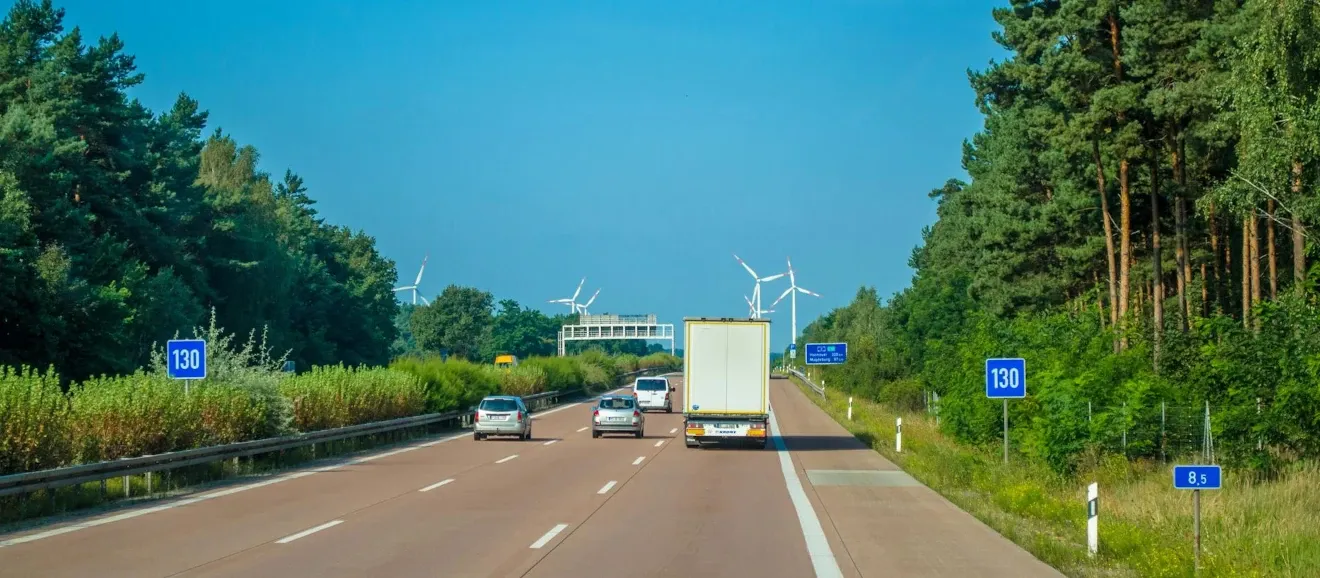
A clear explanation of the difference between toll roads and vignettes in Europe, focusing on when payments are required, how enforcement works, and why misunderstanding the timing of payment is the main cause of fines for drivers.
If you've ever driven across Europe, you've probably noticed something odd: Sometimes you pay right away, sometimes later, sometimes upfront, and sometimes only weeks after you return home.
That's no accident. Europe doesn't have one way of paying for its toll roads. It has several, layered on top of each other, depending on geography, politics, and history. It's a little confusing.
But there's more to it than understanding the difference between toll roads and vignettes. You need to know when the money goes out of your pocket and how errors become fines.
This article discusses European travel and the roads in Europe. No comparisons to the U.S. No theoretical background. Just how it is when you drive on these roads.
Simplicity Wasn't a Concern When Europe's Roads Were Developed
European highways were not built in a single construction cycle, nor were they built with foreign visitors in mind.
Some nations invested heavily in toll motorways to finance construction and maintenance. Others opted for time-based tolls to keep traffic flowing.
These varying priorities led to a confusing system where crossing a border can lead you to a completely different payment system.
That's why toll roads and vignettes can be worlds apart in real life, even though at the end of the day, they serve the same purpose of covering the costs of road construction and maintenance.
Toll Roads Mean Paying by Usage
Paying to use toll roads is usage-based, not time-based. And that feels very reasonable. But it's also one of the things that results in problems for many tourists.
When you drive onto a toll motorway in Italy or France, for example, the system knows exactly where you came in. When you finally decide to leave that road system, you're told how much you owe. The cost is simple and distance-based. There may also be differences for vehicle types and the specific infrastructure you happen to use along the way, like bridges, tunnels, or mountain passes.
From the driving seat, it all feels pretty simple; you just drive and then pay. But here's the thing most guides gloss over: Modern European tolling is increasingly leaning toward a barrier-free system.
Cameras and sensors record your license plate without stopping you. There's no booth, no human interaction, and no moment that feels like a payment checkpoint. You're expected to know that payment is required and to complete it correctly.
Miss that step, and the system doesn't forget. The fine is automatic.
That will increase your costs quickly. Instead of a toll, it is now a penalty notice, which may be processed weeks later through rental companies or cross-border enforcement networks. By the time it reaches you, it is no longer the same as the original road toll. Oftentimes, it's multiples of what the toll would have been.
Vignettes Mean Paying for Access
Vignettes are the exact opposite of that. In vignette countries, you are not paying for the distance. You are paying for access. As soon as your car enters the toll road network, it should already be authorized.
No authorization means no forgiveness.
A vignette is time-specific: a day, ten days, a month, a year. It doesn't matter if you drive five kilometers or five hundred. It only matters if your car had the proper authorization to be on that road at that time.
That is where many people make a very expensive mistake: They think they can just buy the vignette when they see the sign. In Europe, this is too late.
Cameras are installed right after the access points. Purchasing a vignette after you have already entered the motorway does not erase the offense. The system clocks the time and determines the outcome.
With vignettes, payment occurs before movement, not after. There is no gradual build-up of expense, only a binary condition: valid or invalid.
Why Drivers Misjudge the Risk
Toll roads are transactional. You know a charge is coming. Vignettes are abstract. You're paying for something that has no physical representation. That alters driver behavior.
On toll roads, drivers tend to assume there will be a clear moment or location to pay up. With vignette systems, drivers often underestimate how strict enforcement is.
The costliest errors typically occur when drivers think of vignettes as tolls—assuming it's something they can handle later. In Europe, "later" is not an option.
Border Crossings Are Where Most Errors Occur
The trickiest points are not city centers or highway sections. They are border changes.
You leave a toll road country, and as soon as you cross the border, you find yourself in a vignette system. The road looks the same. The traffic is the same. The most important difference is invisible, and it's enforced automatically.
Drivers expect consistency where there is none. That is what causes the fines.
The road system in Europe is the same physically, but it's different administratively. The road itself doesn't warn you. Only signs do, but by the time you realize it, the system might have already registered your presence.
Don't Think About Which System Is Cheaper
It's often asked which one is cheaper: toll roads or vignettes. The real difference is cost predictability.
- Toll roads scale with use. The more you drive, the more you pay.
- Vignettes front-load the cost. You pay upfront, whether you use the roads a little or a lot.
For frequent drivers, vignettes can feel efficient. For short trips, they often feel like overpayment.
But neither system is expensive by default. The real expense results from missing when payment is due. If you make that mistake, you will be fined.
What You're Really Paying For
Despite appearances, European road systems don't primarily charge for distance or time. They charge for compliance.
Did you enter the correct network at the right moment with the correct authorization? That's what they're looking for.
If you check all the boxes, the costs are reasonable. If you don't, the price escalates fast.
That's why planning matters more than saving a few euros. It's not about finding the cheapest route; it's about avoiding the most expensive mistakes.
The System Won't Hear Your Excuses
In Europe, toll roads and vignettes are not competing systems. They're different approaches to the same thing.
Both work efficiently. Both are unforgiving.
And both assume that the driver understands the rules before the journey begins, not while navigating unfamiliar roads at highway speed.
If you're driving in Europe, the question isn't how much this road costs. The real question is when you're expected to pay.
Get that wrong, and Europe will still let you drive—it will just send the bill later, with interest.
Stay informed with our travel blog
From border rules to toll-saving tips, our blog has everything you need to make your trip smoother.
Italy Free-Flow Tolls Explained: How to Avoid Missed Payments
Croatia e-vignette: More expensive and delayed
The introduction of the digital e-vignette in Croatia initially planned for the beginning of the year, has been further delayed and will be more expensive than initially expected. Holidaymakers in Croatia should be prepared for rising toll costs and continue to use the existing toll system. This article provides an overview of the reasons for the delay and explains what travellers need to know when travelling through Croatia.
Adria: Pay Attention to Traffic Regulations for Your Camping Trailer
Regarding your question about warning panels for your camping trailer, the necessity of such panels depends on the specific road traffic laws of the countries…