
Calculating Tolls For a Multi-Country Road Trip Across Europe
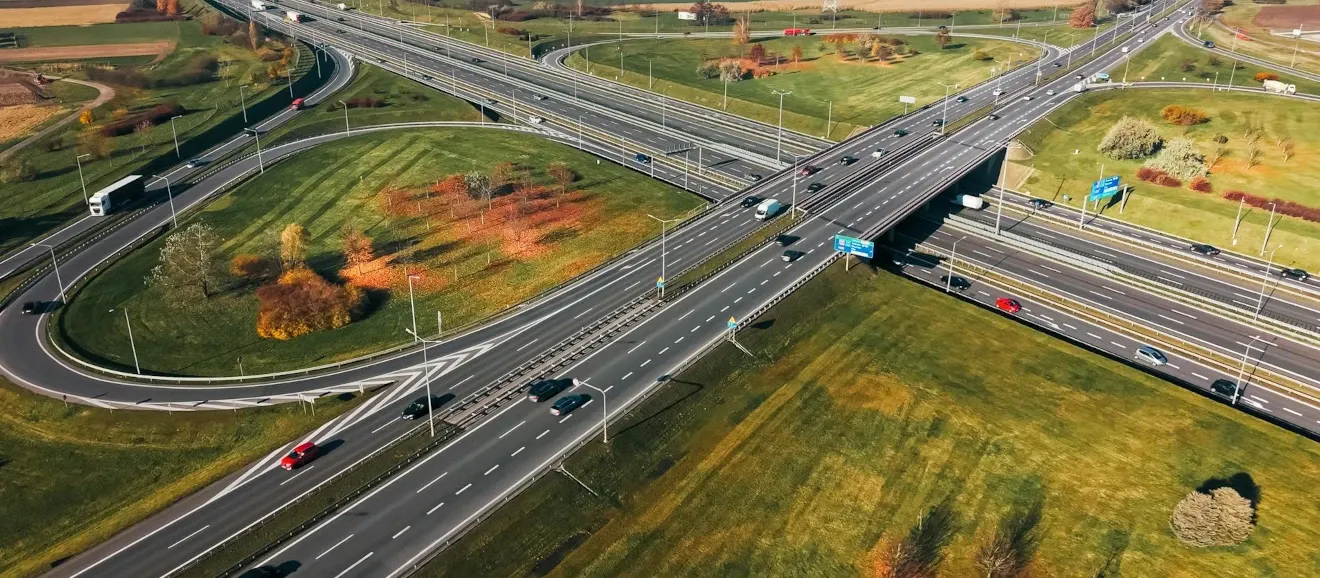
A step-by-step guide to calculating toll costs for a multi-country road trip across Europe. Learn how different toll systems work together, how to budget accurately, and how to avoid costly underestimation and fines.
A road trip across Europe seems like a straightforward process. Borders are open, roads are great, and signs are easy to follow. However, road tolls are where most people go off track with their budgeting, not because Europe is an expensive destination, but because Europe has multiple tolling systems that vary from country to country.
It can get confusing. Mistakes can also be costly.
This article is for people who are planning a road trip across Europe. It will walk you through how tolls are calculated, where you have to pay, and how to avoid estimating too low when planning your trip across multiple countries.
Step One: Recognize That There Is More Than One Toll System
The biggest mistake that people make is assuming that toll calculation is the same across all countries. It is not.
There are three different ways of charging for roads in Europe, and you will likely encounter all three if you plan to travel through multiple countries:
- Distance-based toll roads
- Time-based vignettes
- Special infrastructure tolls (tunnels, bridges, mountain passes)
Your total cost for driving needs to account for all three. If you don't break it down in your mind, your calculation will likely be wrong.
Step Two: It's About the Countries, Not the Distance
Never begin by thinking about how long your route is in kilometers. That's for calculating fuel costs. The better framing is to consider the countries you plan to travel through and the type of toll system each one uses.
For instance, a route such as Germany to Austria to Italy to France already breaks down into:
- One country with no tolls for passenger cars.
- One vignette country.
- Two distance-based toll countries.
- Plus possible alpine tunnel tolls.
It's the same road trip, but you have four different payment systems.
Step Three: Calculate Vignette Costs First
Vignettes are the simplest part of the calculation. They're also the riskiest to forget.
In vignette countries such as Austria, Switzerland, or Slovenia, you are not paying for distance. You are paying for access.
Calculating Your Vignette Costs
- Identify every vignette country on your route.
- Determine the exact calendar dates you'll be driving there.
- Choose the shortest validity period that fully covers those dates.
Important realities:
- A 1-day vignette is valid until 23:59, not for 24 hours.
- Entering a motorway, even briefly, still requires a vignette.
- Buying it after entry does not protect you.
Once purchased, the vignette cost is fixed. Driving more does not increase it.
Step Four: Calculate Distance-Based Tolls by Country
This is where most people underestimate. Countries like Italy, France, and Spain use distance-based toll systems.
Here, cost depends on:
- Entry and exit points
- Distance driven
- Vehicle class (height, axles, trailers, roof boxes)
The critical mistake: People calculate distance once — globally — instead of per country. In reality, toll prices reset at borders. A cheap motorway in one country tells you nothing about the next.
What you must account for:
- Motorway-only pricing (non-toll roads are free but slower)
- Different vehicle classifications between countries
- Sections that switch to free-flow tolling (no booths, delayed billing)
Your cost is not €/km across Europe. It's €/km per national system.
Step Five: Catch the Special Tolls
Even if you've calculated vignettes and motorway tolls perfectly, your estimate can still be wrong. That's because many European countries have special infrastructure tolls.
We're talking about things like Alpine tunnels, mountain passes, and major bridges. Examples include:
- Brenner Pass (Austria–Italy)
- Mont Blanc Tunnel (France–Italy)
- Tauern tunnels in Austria
These charges:
- Are not included in vignettes
- Are not included in motorway tolls
- Can range from €10 to €60+ per crossing
They must be added separately, or your estimate will be nothing more than a fantasy.
Step Six: Choose to Avoid Tolls
Most GPS systems have an "avoid toll roads" feature. That sounds like a great way to save cash. Not always.
Avoiding tolls means:
- Adding time to your journey.
- Burning more fuel.
- Unintentionally driving on vignette roads anyway.
But worse: in vignette countries, avoiding tolls means you still pay. And if you accidentally drive on a motorway, it's a fine, not a toll.
When working out costs, consider:
- Allowing toll roads in your route.
- Avoiding toll roads altogether.
- A mix of both.
And then do the math based on reality.
Step Seven: Add a Mistake Buffer
Regardless of how carefully you plan, assume:
- One wrong exit
- One unexpected motorway entry
- One missed payment window
Smart planners include a toll budget buffer. Not because they intend to flout the rules, but because Europe will enforce them anyway. And the systems are unforgiving.
How the Numbers Stack
A multi-country trip often looks like this:
- Fixed vignette costs
- Variable motorway tolls (per country)
- One or two special tunnel charges
- Zero-cost segments in countries like Germany
- A buffer for errors or detours
Your total toll cost is not one number. It's the sum of multiple systems operating in parallel.
Don't Lowball Your Budget
So many people miscalculate their toll budgets when driving across Europe. How does this happen? Because they calculate:
- Distance instead of jurisdiction.
- Kilometers instead of rules.
- Routes instead of payment moments.
European toll systems don't charge for travel. They charge for entering controlled networks correctly.
Final, Practical Takeaway
It is possible to get a clear picture of your tolls before getting on the road. You just need to follow these simple steps:
- Split your route by country
- Identify each country's payment model
- Cover vignettes first
- Add distance-based tolls per country
- Account for special infrastructure charges
- Create a buffer to be safe
If you skip any of these steps, your number will be wrong.
Europe is easy to drive in. It's also affordable. It's only expensive when you guess instead of calculating. That's how you end up with fines.
Stay informed with our travel blog
From border rules to toll-saving tips, our blog has everything you need to make your trip smoother.
Italy Free-Flow Tolls Explained: How to Avoid Missed Payments
Croatia e-vignette: More expensive and delayed
The introduction of the digital e-vignette in Croatia initially planned for the beginning of the year, has been further delayed and will be more expensive than initially expected. Holidaymakers in Croatia should be prepared for rising toll costs and continue to use the existing toll system. This article provides an overview of the reasons for the delay and explains what travellers need to know when travelling through Croatia.
Adria: Pay Attention to Traffic Regulations for Your Camping Trailer
Regarding your question about warning panels for your camping trailer, the necessity of such panels depends on the specific road traffic laws of the countries…